Author

Aarti Dhapte

保険におけるブロックチェーン市場規模、シェアおよび調査報告書 アプリケーション別(クレーム管理、ポリシー管理、詐欺検出、再保険、アイデンティティ管理)、展開タイプ別(パブリックブロックチェーン、プライベートブロックチェーン、ハイブリッドブロックチェーン)、エンドユーザー別(保険会社、ブローカー、再保険業者)、機能別(スマートコントラクト、資産管理、データセキュリティ)、地域別(北米、ヨーロッパ、南米、アジア太平洋、中東およびアフリカ) - 2035年までの予測
MRFRの分析によると、2024年の保険におけるブロックチェーン市場規模は40.6億米ドルと推定されています。保険業界におけるブロックチェーンは、2025年に54.23億米ドルから2035年には979.6億米ドルに成長すると予測されており、2025年から2035年の予測期間中に年平均成長率(CAGR)は33.56%となる見込みです。
保険市場におけるブロックチェーンは、技術の進歩と進化する規制環境によって大幅な成長が見込まれています。
| 2024 Market Size | 4.06 (米ドル十億) |
| 2035 Market Size | 97.96 (USD十億) |
| CAGR (2025 - 2035) | 33.56% |
IBM(米国)、アクセンチュア(アイルランド)、シビックテクノロジーズ(米国)、ガードタイム(エストニア)、チェーンザット(イギリス)、エーテリスク(ドイツ)、インシュアウェーブ(イギリス)、レモネード(米国)、AIG(米国)、メットライフ(米国)
Our Impact
Enabled $4.3B Revenue Impact for Fortune 500 and Leading Multinationals
Partnering with 2000+ Global Organizations Each Year
30K+ Citations by Top-Tier Firms in the Industry
保険市場におけるブロックチェーンは、保険プロセスにおける透明性と効率性の需要の高まりにより、変革の段階を迎えています。保険会社は、業務を効率化し、詐欺を減少させ、顧客の信頼を高めるためにブロックチェーン技術を探求しています。この技術は、利害関係者間での安全なデータ共有を促進し、請求処理や引受業務の改善につながる可能性があります。組織が分散型台帳の可能性を認識するにつれて、ブロックチェーンの機能を活用した革新的なソリューションへの投資が進むでしょう。さらに、規制当局もこの技術の重要性を認識し始めており、業界全体での標準化された慣行への道を開く可能性があります。また、保険市場におけるブロックチェーン内でのスマートコントラクトの統合も注目を集めているようです。これらの自己実行型契約は、さまざまな保険機能を自動化し、人為的なエラーを最小限に抑え、取引を迅速化することができます。デジタル資産や暗号通貨への関心の高まりも、保険におけるブロックチェーンソリューションの採用に影響を与える可能性があり、企業は急速に進化する環境で競争力を維持しようとしています。全体として、保険市場におけるブロックチェーンは、利害関係者がこの革新的な技術を採用する利点をますます認識する中で、重要な成長が期待されています。
保険業界におけるブロックチェーンは、データセキュリティの向上に向けた傾向を目の当たりにしています。分散型台帳を利用することで、保険会社は機密情報を不正アクセスやサイバー脅威から保護することができます。この強化されたセキュリティは、顧客が個人データを保護するために講じられた措置をより意識するようになるため、消費者の信頼を高める可能性があります。
スマートコントラクトの導入は、保険市場における重要なトレンドとして浮上しています。これらの自動化された契約は、請求処理やポリシー管理などのさまざまなプロセスを効率化することができます。手動介入の必要性を減少させることで、スマートコントラクトは取引を迅速化し、運営コストを削減する可能性があります。
保険市場におけるブロックチェーンが進化する中で、規制当局は新しい環境に適応し始めています。この傾向は、ブロックチェーン技術に関する明確なガイドラインの必要性が高まっていることを示しています。これらの規制に準拠することで、ブロックチェーンソリューションの信頼性が向上し、保険会社の間での広範な採用が促進されるでしょう。
保険におけるブロックチェーン市場は、顧客体験の向上の必要性によってますます影響を受けています。ブロックチェーン技術を活用することで、保険会社はリアルタイムデータ分析に基づいたパーソナライズされた製品やサービスを提供できます。この能力により、個々の顧客のニーズに応じた保険ソリューションが実現し、満足度と忠誠心が向上します。さらに、ブロックチェーンによって促進される取引のスピードは、顧客がより迅速に支払いを受け取ることができるため、請求体験を大幅に改善する可能性があります。顧客の期待が進化する中で、保険セクターがブロックチェーンを活用してより迅速でパーソナライズされたサービスを提供できる能力は、保険におけるブロックチェーン市場の成長において重要な要素となるでしょう。
規制遵守は、保険におけるブロックチェーン市場の重要な推進要因です。政府や規制機関がブロックチェーン技術の可能性をますます認識する中で、保険におけるその利用を規制する標準化された規則の推進が高まっています。この規制の枠組みは、消費者保護とデータプライバシーを確保しながら、保険会社がブロックチェーンソリューションを採用するための明確な道筋を提供することができます。このような基準の確立は、コンプライアンスが障壁とならなくなるため、より多くの企業がブロックチェーン技術に投資することを促すかもしれません。したがって、ブロックチェーンの取り組みと規制要件の整合性は、保険業界におけるブロックチェーンの成長を促進する可能性が高いです。
保険業界におけるブロックチェーンは、ステークホルダー間の透明性と信頼の向上に対する需要によって推進されているようです。ブロックチェーン技術は不変の記録保持を可能にし、保険金請求処理における詐欺やエラーを大幅に減少させることができます。最近の推定によれば、ブロックチェーンの導入により、請求処理コストを最大30%削減できる可能性があります。この透明性は、すべての取引が権限のある当事者がアクセスできる分散型台帳に記録されるため、保険会社と契約者間の信頼を育みます。消費者がデータプライバシーの問題に対してより意識を高めるにつれて、ブロックチェーンの安全で透明な特性の魅力はさらに高まり、保険市場におけるブロックチェーンの推進を加速させることでしょう。
コスト効率は、保険業界におけるブロックチェーンの重要な推進要因です。スマートコントラクトを通じてプロセスを自動化することで、保険会社は管理コストを最小限に抑え、請求処理にかかる時間を短縮できます。報告によると、ブロックチェーン技術は、業務を効率化し、中間業者の必要性を減らすことで、保険業界に年間数十億ドルの節約をもたらす可能性があります。事前に定義された条件が満たされたときに自動的に取引を実行する能力は、手動エラーを排除し、請求プロセスを加速します。企業が業務効率を向上させようとする中で、ブロックチェーンソリューションの採用は増加する可能性が高く、これにより保険業界におけるブロックチェーン市場の成長が促進されるでしょう。
保険業界におけるブロックチェーンの重要な推進力として、業界関係者間の協力が浮上しています。保険会社、技術提供者、規制機関は、ブロックチェーンの応用を探るためにパートナーシップを形成することが増えています。これらの協力は、異なる利害関係者間のデータ共有と相互運用性を向上させる共有プラットフォームの開発につながる可能性があります。企業が協力することで、リソースと専門知識を集約し、イノベーションプロセスを加速させることができます。ブロックチェーン技術の周りに堅牢なエコシステムを確立することは、保険セクター全体での採用を促進し、保険業界におけるブロックチェーン市場の成長を促すかもしれません。
保険市場におけるブロックチェーンのアプリケーションセグメントは、クレーム管理が最大のセグメントとして際立つ価値の異なる層を示しています。この分野は、ブロックチェーン技術の不変で透明な特性を活用して、クレームプロセスの運用非効率を合理化し、削減することで重要なシェアを保持しています。次に近いのは詐欺検出で、現在のシェアは小さいものの、保険における詐欺行為の増加に伴い、驚異的な潜在能力を示しています。このセグメントは、保険会社が損失を軽減し、契約者との信頼を高めるための信頼できるソリューションを求める中で、注目を集めています。
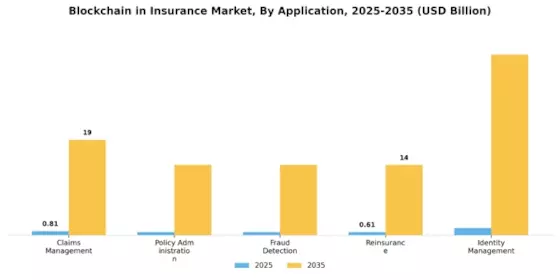
クレーム管理(主流)対詐欺検出(新興)
クレーム管理は、保険業界におけるブロックチェーンの主要なアプリケーションであり、クレームプロセスの効率と正確性を向上させる能力が特徴です。ブロックチェーン技術の統合により、リアルタイム処理が可能になり、紛争が減少し、保険会社と顧客の間で透明なやり取りが促進されます。一方、詐欺検出は、新たに注目を集めているアプリケーションであり、詐欺的なクレームを特定し防止する可能性があるため、急速に注目を集めています。高度なアルゴリズムとブロックチェーンの安全なデータ共有を活用することで、詐欺軽減に向けたより協力的なアプローチが促進されます。信頼できるソリューションへの認識と需要が高まる中、これらの二つのアプリケーションは、保険の進化する風景を形作る準備が整っています。
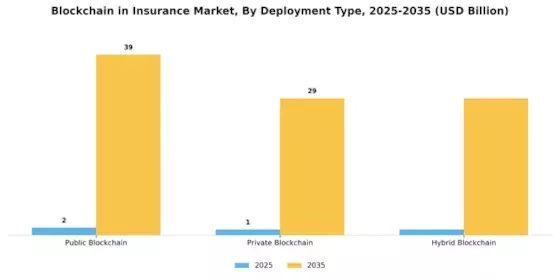
保険市場におけるブロックチェーンでは、展開タイプのセグメントは主にパブリック、プライベート、ハイブリッドブロックチェーンに分かれています。現在、プライベートブロックチェーンは、その堅牢なデータプライバシー機能により最大のシェアを占めており、これは機密情報を扱う保険業界において重要です。パブリックブロックチェーンは透明性が高く人気がありますが、機密性を重視する保険会社の間では採用が遅れがちです。ハイブリッドブロックチェーンは、パブリックとプライベートの両方の強みを組み合わせた柔軟な選択肢として浮上しており、運営の柔軟性を求める企業の間で注目を集めています。
プライベートブロックチェーン(主流)対ハイブリッドブロックチェーン(新興)
プライベートブロックチェーンは、個人および財務データを扱う保険会社にとって極めて重要なセキュリティとコントロールを提供し、保険市場における主要な展開タイプとして確立されています。そのプロトコルは、組織が規制要件を遵守しながら安全な取引を行うことを可能にします。一方、ハイブリッドブロックチェーンは、透明性とプライバシーのバランスを提供する新興セグメントとして認識されています。この柔軟性は、データコントロールを完全に放棄することなく、利害関係者と情報を共有する革新的なソリューションを求める企業に魅力的です。市場が進化するにつれて、両セグメントは、保険業界における安全で効率的なソリューションに対する需要の高まりにより成長が期待されています。
ブロックチェーン保険市場において、保険会社はエンドユーザーの中で最大の市場シェアを占めており、ブロックチェーン技術の導入によって業務を効率化し、データセキュリティを強化しています。ブローカーも遅れをとっておらず、クライアントのポリシー管理においてより良い透明性と効率を提供するために、ブロックチェーンソリューションをますます活用することで、最も成長しているセグメントとして浮上しています。再保険会社は重要ではありますが、業務におけるブロックチェーンの潜在的な影響を慎重に評価しているため、市場シェアの中では小さな部分を占めています。
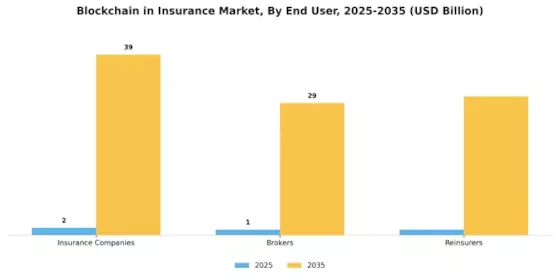
保険会社(支配的)対ブローカー(新興)
保険会社は、詐欺防止、スマートコントラクト、改善されたクレーム処理のためにブロックチェーンの利点を活用することで、保険市場において支配的な地位を占めています。彼らの確立されたインフラと顧客基盤は、この技術をシームレスに統合することを可能にし、運用効率と顧客の信頼を高めています。一方、ブローカーは、消費者と保険会社の間のギャップを埋める役割により、著しく台頭しています。彼らはブロックチェーンを利用してリアルタイムの情報を提供し、取引を円滑に進めることで、保険プロセスをより透明にしています。この技術を活用する柔軟性は、ブローカーを進化する保険業界の重要なプレーヤーとして位置づけ、より効率的で顧客中心のサービスへの道を開いています。
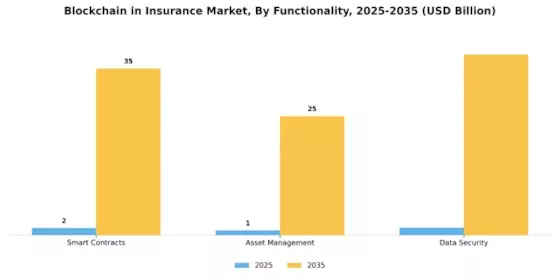
保険市場におけるブロックチェーンの「機能性」セグメントは、主にスマートコントラクトによって支配されており、保険プロセスを自動化し、効率化する能力により、最も大きな価値の推進力として確立されています。これにより、書類作成や処理時間が大幅に削減されます。資産管理は重要な要素として続き、保険会社に対して透明で不変の記録を通じて資産を管理する革新的なソリューションを提供します。データセキュリティは現在は小さなセグメントですが、敏感な顧客情報を保護する重要な役割がますます認識されており、急速に採用が進んでいます。このセグメントの市場成長は、保険業界における運用効率と透明性の必要性の高まりによって主に推進されています。組織は、ブロックチェーン技術が信頼と効率を向上させる能力を徐々に認識しており、スマートコントラクトやデータセキュリティソリューションへの投資が増加しています。さらに、サイバー脅威の頻度が増す中で、堅牢なデータセキュリティ対策の必要性が高まっており、このセグメントは機能性カテゴリー全体の中で最も成長が早い分野となっています。
スマートコントラクト(主流)対データセキュリティ(新興)
スマートコントラクトは、保険業界におけるブロックチェーンの最前線にあり、ポリシーの実行やクレーム処理において比類のない自動化を提供しています。この機能は、運用コストを削減し、取引の正確性を向上させることを目指す保険会社に広く支持されています。スマートコントラクトは、仲介者の必要性を減らし、信頼のない環境を促進します。一方で、データセキュリティは、データ侵害やサイバー事件が蔓延する中で、重要性が高まっています。企業は、機密情報を保護し、規制基準に対するコンプライアンスと信頼を確保するために、ブロックチェーンベースのデータセキュリティソリューションに投資しています。技術が成熟するにつれて、両方のセグメントは適応していくでしょうが、スマートコントラクトはその支配的な地位を維持し、データセキュリティは新たな脅威に対応するために急速に進化するでしょう。
ブロックチェーン保険市場に関する詳細な洞察を得る 無料サンプルを請求する
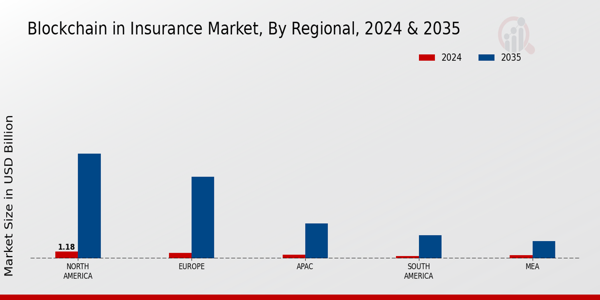
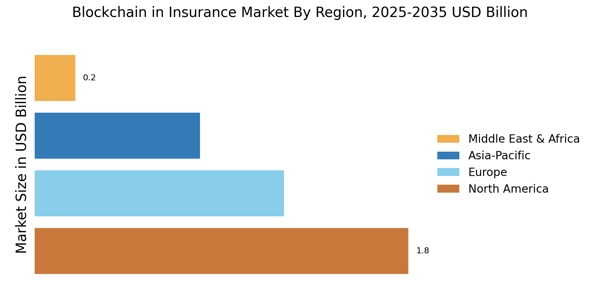
ブロックチェーン保険市場は、特に地域別セグメンテーションにおいて、着実に強固な基盤を築いています。2024年には、北米地域が15億米ドルの評価額でこの市場をリードし、2035年までに180億米ドルに達する見込みであり、業界におけるその支配的な役割を強調しています。ヨーロッパは2024年に10億米ドルの評価額で続き、2035年までに120億米ドルに成長することが予測されており、規制の進展と市場の受け入れにおける重要性を示しています。
アジア太平洋地域も、2024年に7億米ドルから始まり、2035年には80億米ドルに達する顕著な成長の可能性を示しており、技術革新と急成長する保険セクターによって推進されています。南米は2024年に4億米ドルの評価額で、2035年には40億米ドルに上昇する見込みであり、運営効率を向上させるためのブロックチェーンの利点を認識し始めています。一方、中東およびアフリカは、2024年に1.2億米ドルの控えめな評価額から始まり、2035年には30億米ドルに成長することが期待されており、保険プロセスを改善するための技術への投資の増加によって推進されています。
ブロックチェーン保険業界のこれらの地域別カテゴリーへの分割は、業界の将来とその位置付けを大きく形作る可能性のあるさまざまな発展レベルとトレンドを示しています。
ブロックチェーン保険市場は、保険業界における透明性、効率性、安全性の向上の必要性により急速に進化しています。従来の保険モデルが詐欺やクレーム処理の遅延といった課題に直面する中、ブロックチェーン技術はリアルタイムデータ共有やプロセスを自動化するスマートコントラクトを可能にすることで、有望な解決策を提供します。この競争の激しい市場には、消費者や企業の変化するニーズに応える革新的な保険ソリューションを創出することを目指すさまざまな主要プレーヤーが存在します。
企業は、提供内容の改善だけでなく、このダイナミックな市場での地位を確保するために研究開発に多大な投資を行い、急速な技術革新を促進する競争を育んでいます。Insurwaveは、海上保険に焦点を当て、ブロックチェーンの能力を既存の保険フレームワークと組み合わせ、前例のない透明性と効率性を実現することで、ブロックチェーン保険市場で際立っています。同社は分散型台帳技術を活用し、リスクのリアルタイム監視と報告を可能にし、引受精度とリスク評価を大幅に向上させています。
Insurwaveの独自の提案は、主要な保険および再保険機関とのパートナーシップにあります。これらの機関は、業務を効率化しデータの整合性を向上させるために同社のソリューションを信頼しています。従来の保険慣行に伴う複雑さに対処することで、Insurwaveは市場での存在感を強化し、課題を機会に変え、分野における重要な革新者としての認識を得ています。Etheriscは、スマートコントラクトを通じて保険商品を作成するための分散型プラットフォームを提供することで、ブロックチェーン保険業界の重要なプレーヤーとしての地位を確立しています。同社は、ユーザーが直接お互いを保険することを可能にするピアツーピア保険の開発に注力し、従来の保険モデルに関連するコストを削減しています。
Etheriscの主な提供内容には、フライト遅延保険や作物保険商品が含まれ、市場の特定のニーズに合わせたソリューションを提供する能力を示しています。同社は市場での存在感を強化するさまざまな戦略的パートナーシップを結び、技術能力を向上させるために合併や買収を通じて革新を積極的に追求しています。Etheriscは、ポートフォリオを拡大し、変化する市場の需要に適応し続けることで、保険業界の革命における役割を確固たるものにしています。



保険業界におけるブロックチェーンは、2024年から2035年にかけて33.56%のCAGRで成長すると予測されており、透明性の向上、詐欺の削減、運用効率の向上が推進要因となっています。
新しい機会は以下にあります:
2035年までに、市場は革新的なソリューションと採用の増加により、堅調であると予想されています。
| 2024年の市場規模 | 4.06(億米ドル) |
| 2025年の市場規模 | 5.423(億米ドル) |
| 2035年の市場規模 | 97.96(億米ドル) |
| 年平均成長率 (CAGR) | 33.56% (2024 - 2035) |
| レポートの範囲 | 収益予測、競争環境、成長要因、トレンド |
| 基準年 | 2024年 |
| 市場予測期間 | 2025 - 2035 |
| 過去データ | 2019 - 2024 |
| 市場予測単位 | 億米ドル |
| プロファイルされた主要企業 | 市場分析進行中 |
| カバーされるセグメント | 市場セグメンテーション分析進行中 |
| 主要市場機会 | スマートコントラクトの統合により、保険市場における効率性と透明性が向上します。 |
| 主要市場ダイナミクス | ブロックチェーン技術の採用が進むことで、保険プロセスの透明性と効率性が向上し、競争環境が再構築されます。 |
| カバーされる国 | 北米、ヨーロッパ、アジア太平洋、南米、中東・アフリカ |


The secondary research process involved comprehensive analysis of regulatory databases, insurance industry publications, blockchain technology whitepapers, and authoritative financial services organizations. Key sources included the National Association of Insurance Commissioners (NAIC), European Insurance and Occupational Pensions Authority (EIOPA), Financial Conduct Authority (FCA), Insurance Regulatory and Development Authority of India (IRDAI), National Association of Mutual Insurance Companies (NAMIC), B3i (Blockchain Insurance Industry Initiative), ACORD (Association for Cooperative Operations Research and Development), ISO (Insurance Services Office), Monetary Authority of Singapore (MAS), Swiss Financial Market Supervisory Authority (FINMA), International Association of Insurance Supervisors (IAIS), Organization for Economic Co-operation and Development (OECD), World Bank Financial Sector Reports, International Monetary Fund (IMF) Global Financial Stability Reports, U.S. Securities and Exchange Commission (SEC) filings on blockchain investments, Commodity Futures Trading Commission (CFTC) guidance documents, IBM Institute for Business Value reports on distributed ledger technology, MIT Technology Review blockchain case studies, IEEE Standards Association blockchain frameworks, and insurance technology consortium publications.
These sources were used to collect cybersecurity frameworks for smart contracts, regulatory guidance on the adoption of distributed ledger technology, pilot program results from consortiums such as RiskStream Collaborative and Insurwave, premium volume data by business line, and competitive intelligence on core system modernization initiatives across the policy administration, fraud detection, and claims management segments.
To gather qualitative and quantitative information unique to the use of blockchain in insurance processes, supply-side and demand-side stakeholders were interviewed as part of the primary research process. CEOs, CTOs, VPs of Blockchain Innovation, and Heads of Distributed Ledger Technology from companies that provide insurance core systems, enterprise blockchain platforms, InsurTech startups, and IT consulting organizations that specialize in financial services were among the supply-side sources. Chief Digital Officers, Chief Information Officers, Heads of Claims Transformation, VP of Underwriting Operations, and Strategy Directors from significant independent brokerages, mutual insurers, reinsurance groups, and international insurance carriers were among the demand-side sources. Primary research verified smart contract development timelines, validated deployment type preferences (public, private, and hybrid blockchain architectures), and collected information on industry consortium participation patterns, interoperability issues with legacy systems, and regulatory sandbox experiences across jurisdictions.
Primary Respondent Breakdown:
By Designation: C-level Primaries (40%), Director Level (30%), Others (30%)
By Region: North America (38%), Europe (25%), Asia-Pacific (32%), Rest of World (5%)
Blockchain deployment value analysis and technology adoption mapping throughout the insurance value chain were used to determine the global market valuation. The methods included:
Finding more than 40 major IT companies and insurance companies that are actively using distributed ledger solutions throughout North America, Europe, Asia-Pacific, and Latin America
Solution mapping between public blockchain infrastructure, private blockchain (consortium networks), and hybrid architectures designed for applications such as fraud detection, identity management, claims management, and reinsurance
Examination of annual technological expenditures for blockchain implementations, smart contract creation, and platform license fees in insurance portfolios that have been reported and modeled
coverage of insurers and tech companies that account for 75–80% of the global blockchain's insurance market share in 2024
Segment-specific valuations for smart contracts, automated claims processing, and parametric insurance products are derived through extrapolation using top-down (enterprise IT budget allocation validation for distributed ledger initiatives) and bottom-up (licensed node deployment × transaction volume pricing by country/line of business) approaches.
このレポートの無料サンプルを受け取るには、以下のフォームにご記入ください

“This is really good guys. Excellent work on a tight deadline. I will continue to use you going forward and recommend you to others. Nice job”


“Thanks. It’s been a pleasure working with you, please use me as reference with any other Intel employees.”


“Thanks for sending the report it gives us a good global view of the Betaïne market.”


“Thank you, this will be very helpful for OQS.”


“We found the report very insightful! we found your research firm very helpful. I'm sending this email to secure our future business.”


“I am very pleased with how market segments have been defined in a relevant way for my purposes (such as "Portable Freezers & refrigerators" and "last-mile"). In general the report is well structured. Thanks very much for your efforts.”


“I have been reading the first document or the study, ,the Global HVAC and FP market report 2021 till 2026. Must say, good info! I have not gone in depth at all parts, but got a good indication of the data inside!”


“We got the report in time, we really thank you for your support in this process. I also thank to all of your team as they did a great job.”


“The Automotive 48V ECU Components Procurement Intelligence Study” was a complex project, but the Market Research Future (MRFR) team handled it with quality, agility, and customer-centricity. They delivered all requested data on time and within the agreed scope. The team, including Shubhendra Anand and Rahul Gotadki, was always readily available to clarify questions and swiftly implement necessary adjustments, driving the project to a successful conclusion within a very demanding timeframe.
I would also like to specifically commend Akshay Agarwal for his responsiveness and support at every stage—from our initial inquiry on May 6th through to final delivery on June 18th. His dedication made the entire process seamless.”



